- ホーム
- >
- 製品
- >
- ノズルガイドベーンリング鋳造
- >
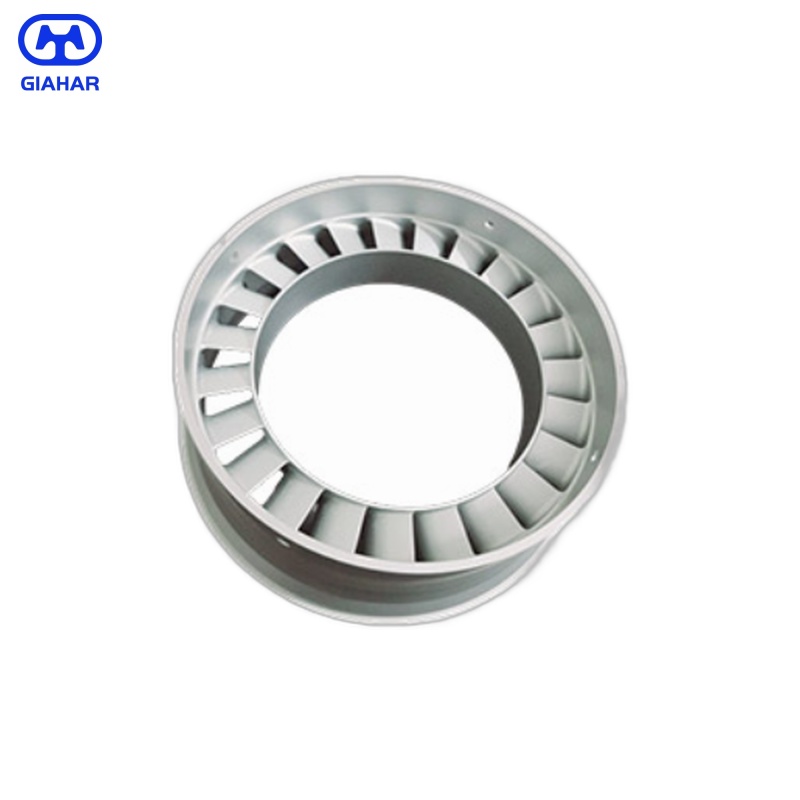
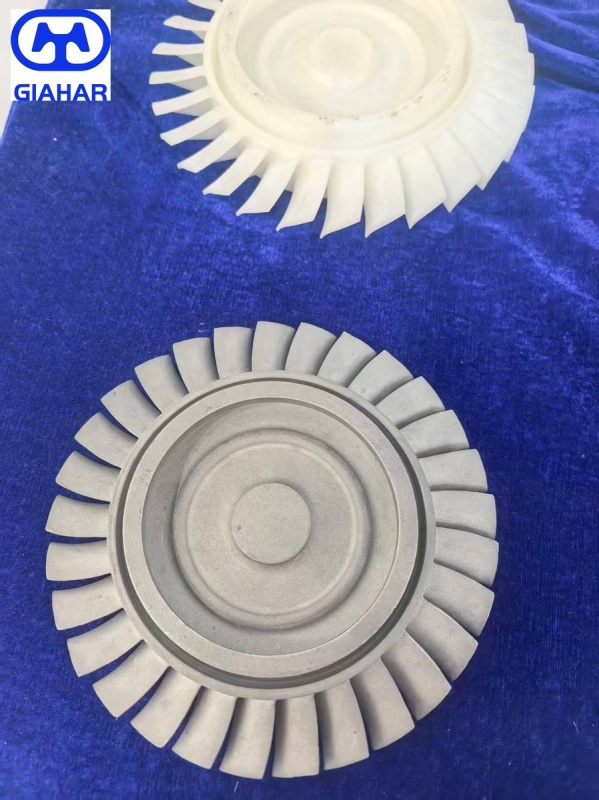
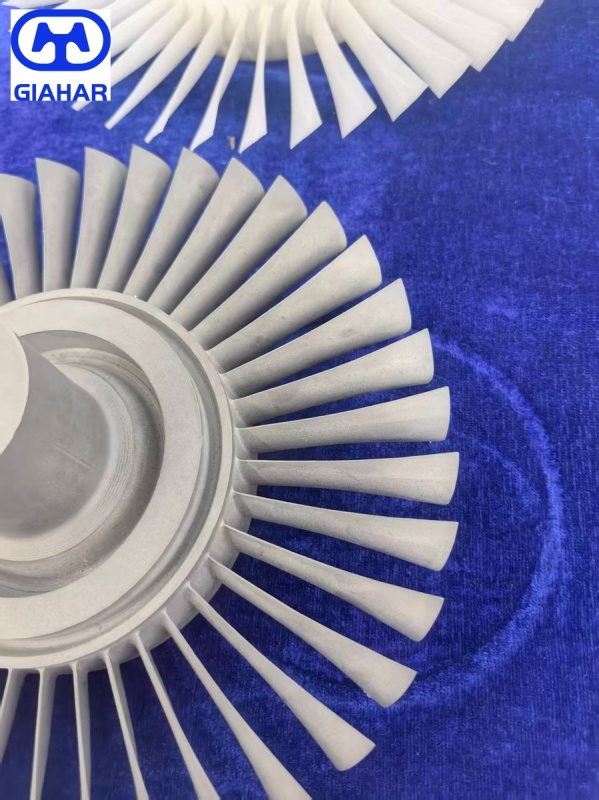
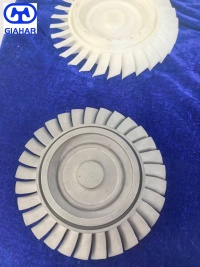
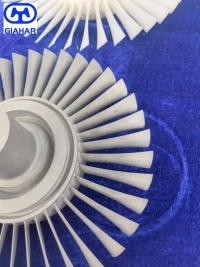
ノズルガイドベーンリング鋳造
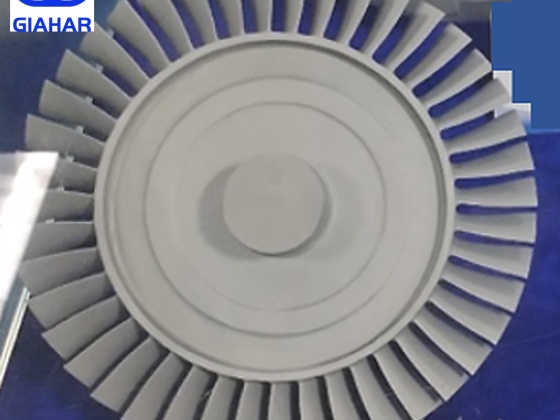
・一体型翼形を備えた真空鋳造ベーンリング
・インコネル713LC、713/713LC、625
・治具上で羽根の角度と喉部面積を確認
・機械加工された取り付け面と穴
- 情報
Nozzle Guide Vane Ring Casting
A nozzle guide vane ring turns the gas before it reaches the rotor. The ring is cast with integral airfoils, so the vane angle and the throat area are set by the ceramic shell rather than by a welded assembly. This product covers vacuum-cast nickel-base vane rings in Inconel 713LC, the 713/713LC family or Inconel 625.
The ring is a single casting with an outer band, an inner band and a row of airfoils between them. The gas path is formed by the shell, and the mounting faces are machined after heat treatment. The throat area and the vane angle are checked on the fixture before the ring is packed.
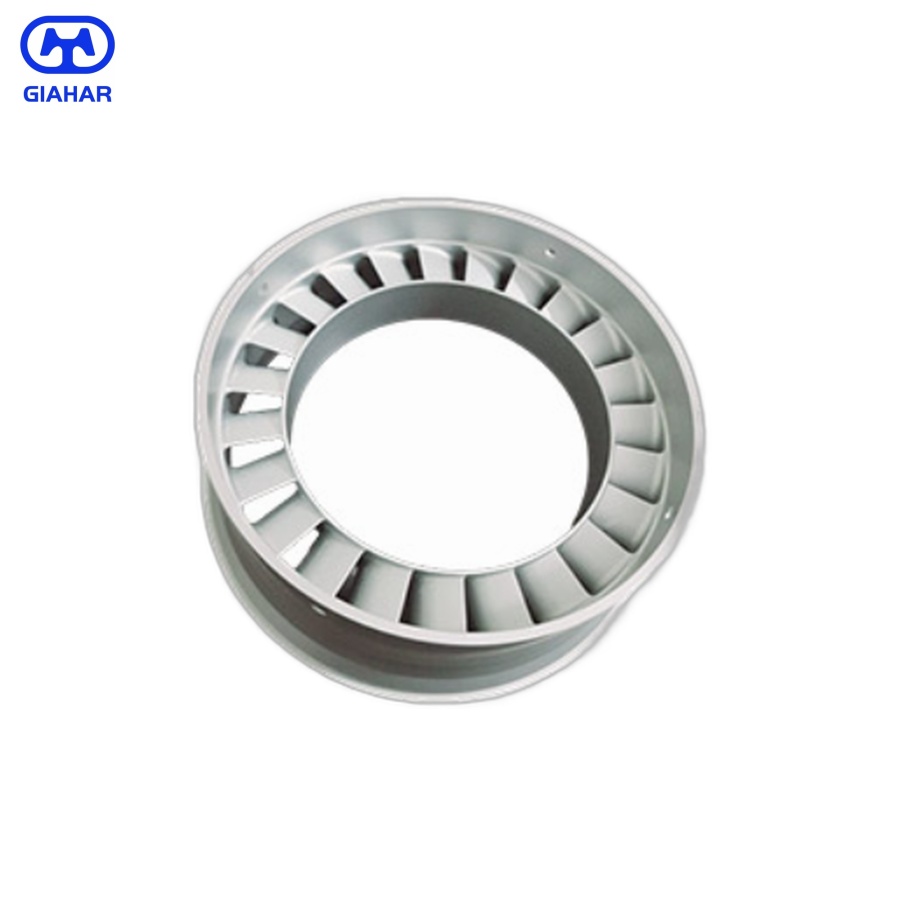
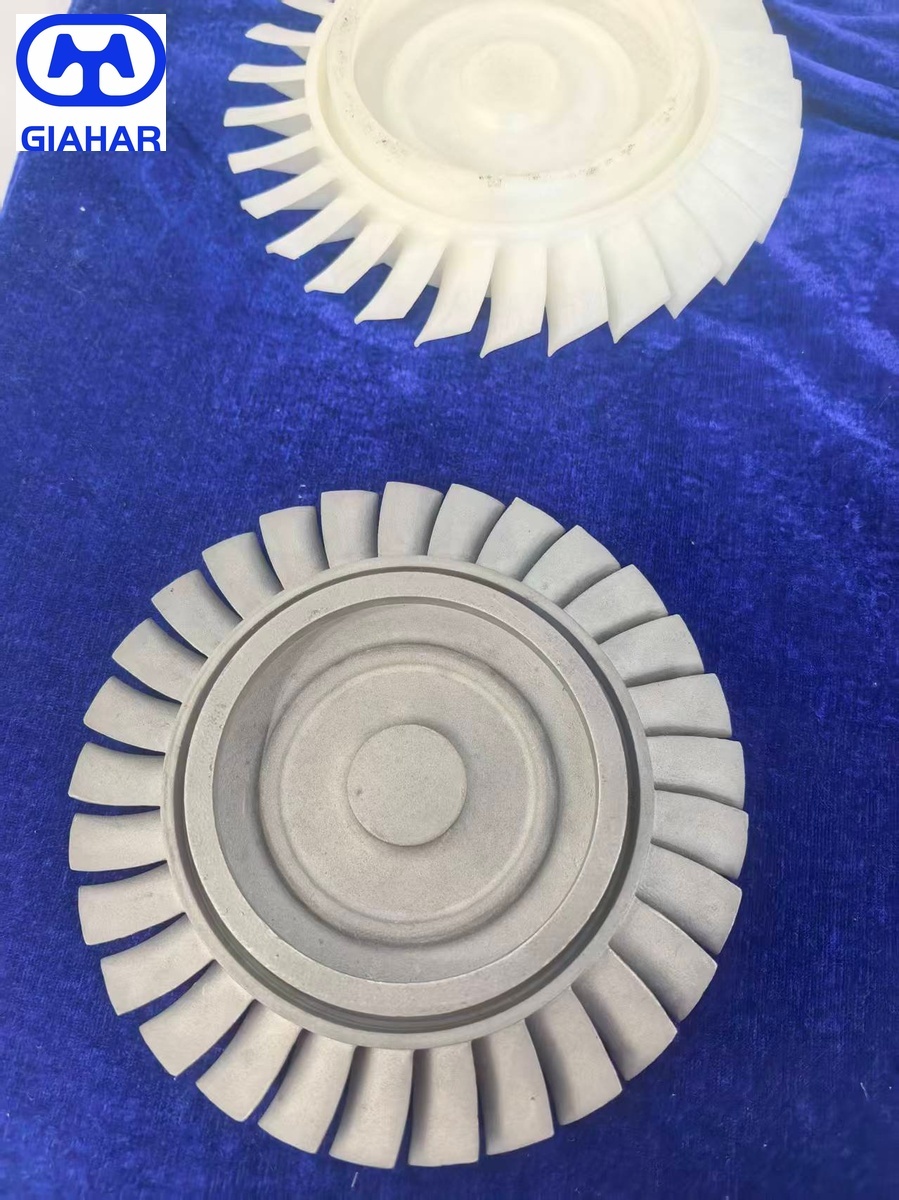
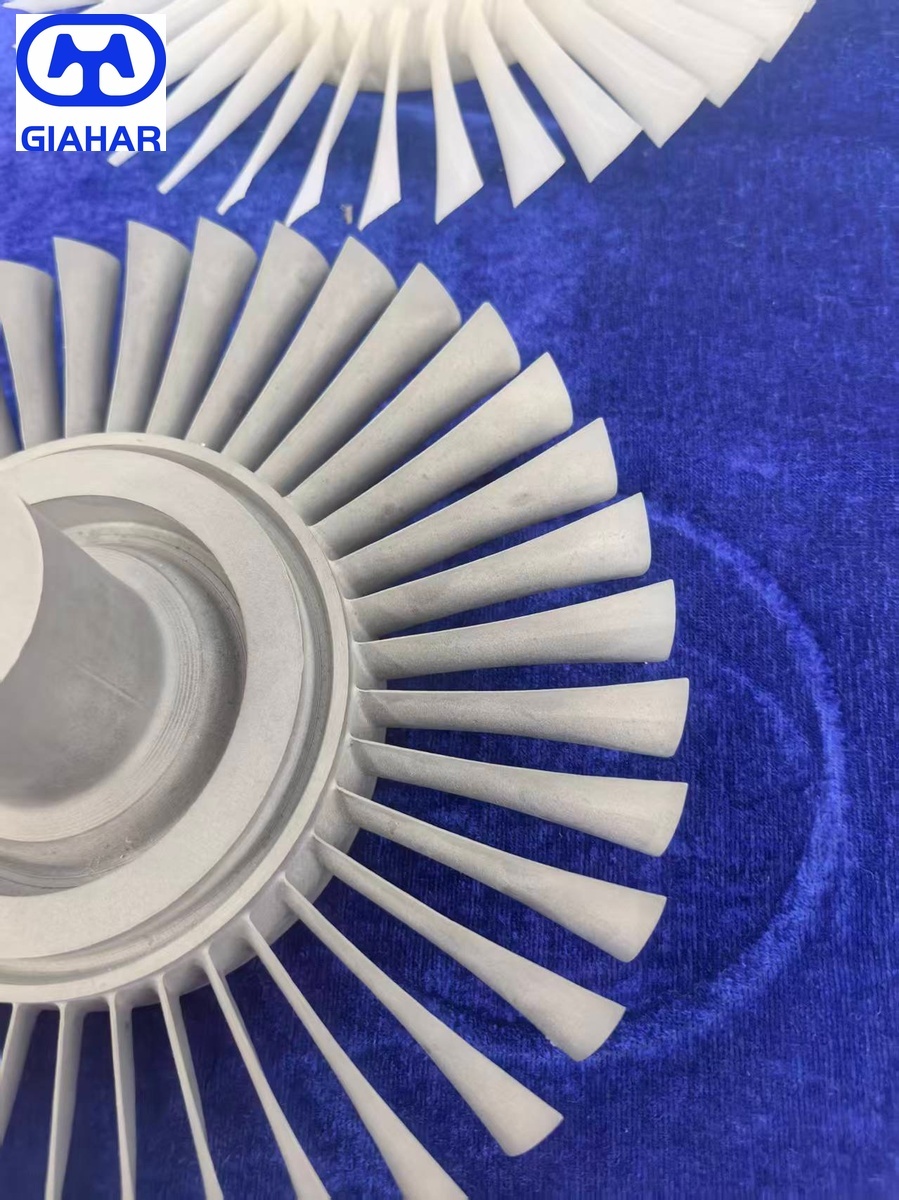
Vane Ring at a Glance
| Item | Scope |
| Part | Nozzle guide vane ring with integral airfoils |
| Materials | Inconel 713LC, 713/713LC family and Inconel 625 |
| Casting | Vacuum melting with silica sol investment casting |
| Key checks | Vane angle, throat area, bore and mounting faces |
Why Cast the Ring
A welded ring would have a heat-affected zone at every vane. A cast ring has no weld between the airfoil and the band; the vane and the band solidify as one piece. That is the reason the ring is cast when the stage runs hot and the vane count is high.
The casting also holds the vane angle. The wax pattern and the shell set the airfoil position, and the machining only touches the mounting faces and the bore. If the shell moves, the throat area changes, so the shell is checked before the pour and the ring is measured after cleaning.
Casting and Machining
The wax pattern is assembled with the airfoils on the ring, shelled and dewaxed. The nickel alloy is melted under vacuum and poured into the preheated shell. After knockout, the ring is cut from the runner, cleaned and heat treated. The mounting faces, the bore and the locating features are machined to the drawing.
The vane angle and the throat area are checked on the fixture. The ring is also checked for bore roundness, face flatness and wall thickness at the points marked on the drawing. The heat number follows the ring to packing.
Applications
The vane ring is used in power generation, aerospace, gas turbine, propulsion and automotive compressor systems. The stage temperature decides the alloy, and the drawing decides the vane count, the throat area and the mounting interface.
Company Profile & FAQ
| At a Glance | |||
| Founded | 2010 | ||
| Factory Area | About 60,000 m² in Kazuo County, Liaoning | ||
| Staff | Around 120 people, including engineers and QC | ||
| Experience | 16 years of silica sol investment casting | ||
| Export Markets | Japan, South Korea, Europe and North America | ||
| Capacity | 1,000 tons per year of precision castings | ||
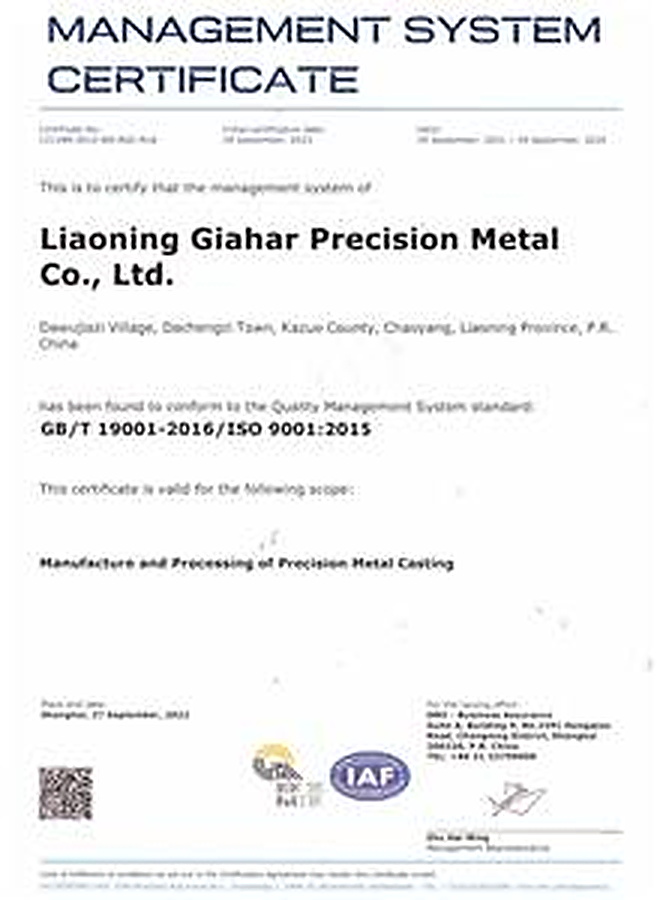
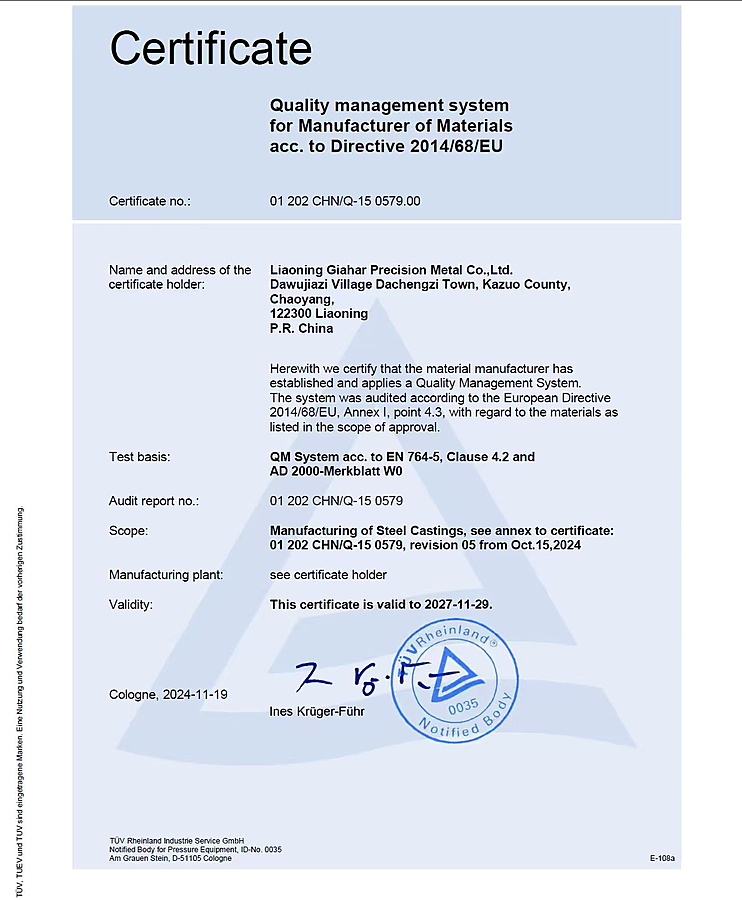
| Certifications | DNV ISO 9001 Quality Management System Certificate; TUV PED 2014/68/EU Pressure Equipment Certificate
| ||
Setting the Throat Area
Throat area is a flow area between adjacent vanes, not a single point. The shell and the vane angle set it before machining; the fixture check confirms it after. A small shift in the shell can change the area, so the first article is measured at several passages, not only at one.
If the area is outside the band, the wax die or the shell is corrected before the lot is cast. The report lists the measured area and the vane angle, and the heat number ties the ring to the shell lot. That record is what the customer needs when the stage is assembled and the clearance is set.
Shell Lot and Traceability
Each ring is tied to a shell lot and a heat number. The shell lot is recorded because the vane angle and the throat area come from the shell, not only from the alloy. If a dimensional trend appears, the shell records show whether the change came from the pattern, the dipping line or the firing cycle.
The finished ring is marked with the lot and packed with the dimensional report. A replacement ring can be made from the same pattern and shell route, and the report shows the throat area and the vane angle that the customer already approved.
Each ring is packed with the dimensional report and the shell lot record. The report lists the vane angle and throat area measured on the first article, and the production ring is checked against the same points. That gives the customer a clear record for the stage build.
Quotation and Review
Send the drawing, the alloy, the vane count, the throat area, the supply state and the inspection standard. A ring with integral airfoils is quoted with the pattern, the shell, the heat treatment and the machining included. The first article is checked before the production lot.
Nozzle Guide Vane FAQ
| Questions about this product | |
| What is a nozzle guide vane ring? | |
| A cast ring with integral airfoils that turns the gas before the rotor. The vane angle and the throat area are formed by the shell. | |
| Which alloy is used? | |
| Inconel 713LC, the 713/713LC family or Inconel 625. The final grade is confirmed on the drawing. | |
| How is the throat area checked? | |
| The ring is measured on the fixture after machining; the vane angle, throat area, bore and mounting faces are recorded. | |
| What is needed for a quotation? | |
| A drawing, the alloy, the vane count, the throat area, the supply state and the inspection standard. |